“The worst part of holding the memories is not the pain. It's the loneliness of it. Memories need to be shared” (Lowry 1993)
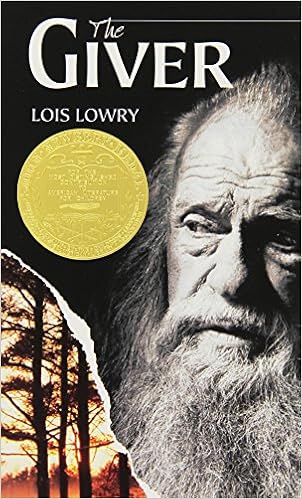
Most people have to read The Giver in middle or high school in one of their English classes. For some reason, I never had to read it in a class, so I never read it at all. I always thought it would be boring and way over my head. This week, I decided to sit down and finally give this book a chance. I'm happy to report that it blew my mind and exceeded my expectations!
Jonas lives in a world where there is no access to books other than schoolbooks and a rulebook. There's no color, music, or knowledge of the past. Everyone in this society is given a specific role in the community when they turn 12. This day approaches quickly for Jonas, and he and his peers are assembled. Jonas's turn is passed when the time comes, and everyone is assigned to their roles except for him. Once he is alone, he is told that he would be the new Receiver of Memory. He begins his training and is told he must lie and withhold information from his friends and families. The Giver shows Jonas everything he has missed out on, such as emotions, memories, and rainbows. He also shares some negative feelings and memories as well. As Jonas continues his training, he begins to learn more about his society and the truth behind it all. He comes to realize that not everyone can be trusted. I will stop the summary there to not give too much away. This book should be experienced as a whole!
The author of this book, Lois Lowry, does a fantastic job of including imagery throughout the novel, especially when writing the scenes between Jonas and the Giver. Jonas is experiencing many new things while gaining memories, and the readers must understand what and how he is feeling during these memories. My favorite example of this is when Jonas experiences snow for the first time. Lowry uses words like "featherlike" and "whirling" to describe the scene and put the readers in Jonas's shoes. Of course, Jonas has to experience negative things as well, such as war. Lowry uses just as strong of language to describe these scenes as well. I think this book would be a great mentor text to use when teaching your students about adjectives, imagery, and creating scenes.
I'm very happy I finally got around to reading this book. I really regret putting it off for so long. I highly recommend this book to anyone looking for their next great read. It's powerful and emotional, as well as engaging and creative. It's a great read for readers of all ages!